Every year, importers lose money to solar suppliers who looked perfect on Alibaba and fell apart at the first container. The pattern is almost always the same: price accepted, deposit wired, documents never checked. Due diligence in this industry takes one email - here are the seven documents to request, and what each one actually proves.
1. IEC 61215 and IEC 61730 Test Reports
These two standards are the backbone of panel quality: 61215 covers design qualification and type approval (performance and durability), 61730 covers safety. Request the actual report PDF with the laboratory name and the module model number. Red flag: a report for "similar modules" or one where the model number does not match your quote exactly.
2. Certificates With a Valid Scope
CE, TUV, ISO 9001 and - for many markets - CGC or country-specific certifications. Check the certificate's scope covers manufacturing of PV modules at the factory address they claim, not just "trading in solar products".
3. Factory Audit Report or Live Video Audit
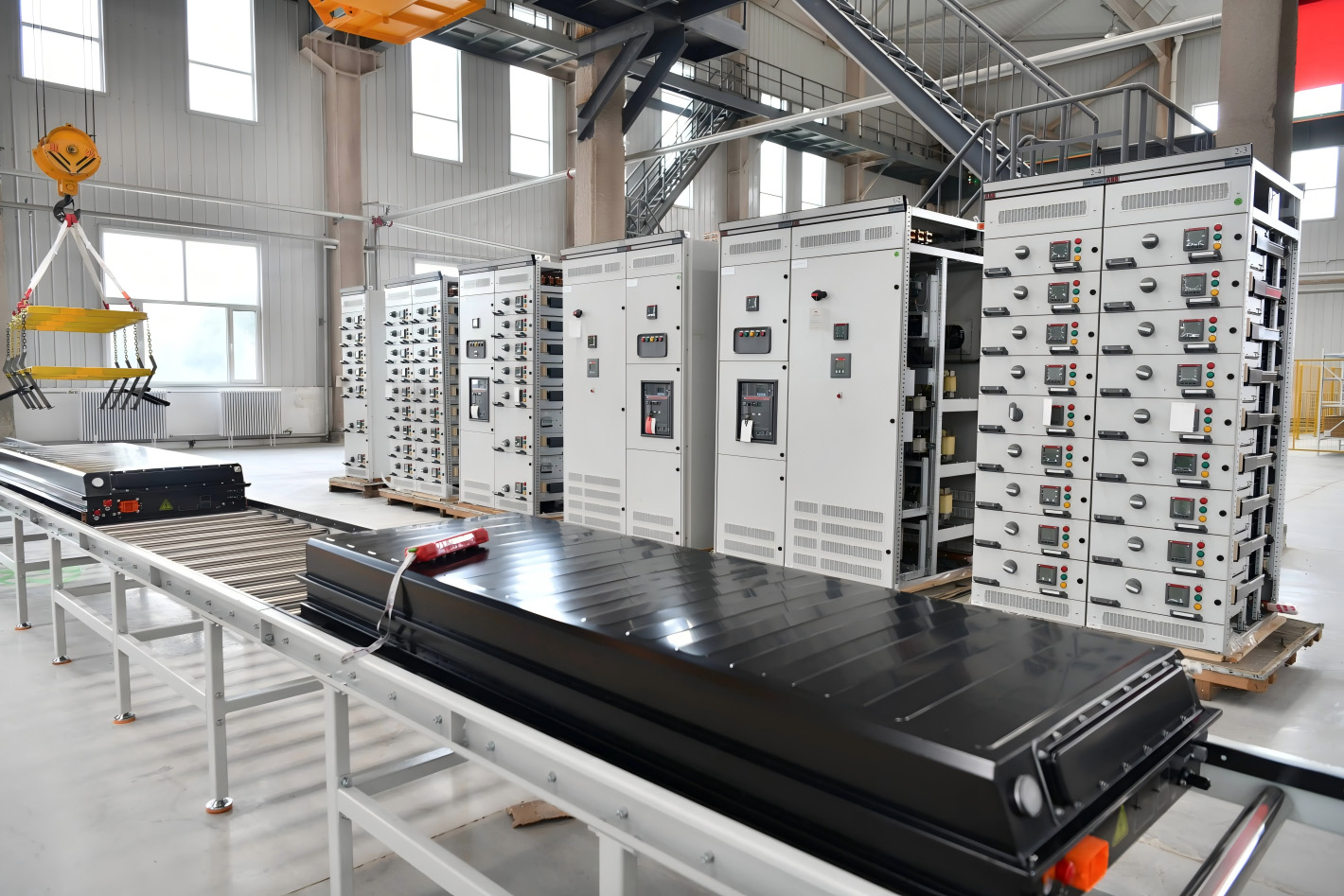
A real manufacturer will offer a factory audit - third-party (SGS, TUV, Intertek) or a live video walkthrough of the production line without notice. Ask them to show the laminators and the flash tester running. Trading companies schedule "factory visits" at third-party plants.
4. Flash Test Data for Your Actual Batch
Every serious factory flash-tests each module before packing. Ask for the batch flash test report with serial numbers, and require that shipped serial numbers match - this is the single most effective anti-substitution measure. Without it, you have no way to prove the modules you paid for are the modules that arrived.
5. EL (Electroluminescence) Sample Images
EL imaging reveals micro-cracks invisible to the eye. Reputable factories run 100% EL inspection on high-grade lines. Request sample EL images from your batch, and define EL acceptance criteria in the contract.
6. Bill of Materials Signed Into the Contract
Cells (and their grade), EVA, backsheet, junction box brand, frame alloy and glass thickness - all in writing, all enforceable. Most quality downgrades happen here: the contract says one cell, the container ships another. Red flag: a supplier who resists putting BOM details in the contract.
7. Verifiable Track Record
Installed capacity with project names, locations and - ideally - client contacts you may contact. "5 GW installed" means nothing if none of it can be shown. A manufacturer confident in its history will connect you with a distributor in your region.

The One-Email Test
Send all seven requests in a single email. A real manufacturer replies within one or two working days with PDFs attached - it costs them nothing because the documents exist. Evasion, partial answers or requests to "pay the deposit first" are themselves the answer.
Singfo Solar Energy Ltd publishes its certifications openly and welcomes factory audits - 50,000 m² of production, 300+ staff, IEC 61215/61730 tested modules, and more than 5 GW of overseas installed capacity since 2008. Ask for the full document pack with your quotation; it arrives with the quote, not after the deposit.