Load-shedding has become a way of life in South Africa. For a shopping mall, every outage hour means closed tills, spoiled cold-chain stock and tenants asking hard questions about their leases. This case study walks through a real project completed by Singfo Solar Energy Ltd for a major shopping mall in Bloemfontein - with the actual numbers, not marketing averages.
The Starting Point
The mall faced three compounding problems: escalating tariffs, frequent load-shedding windows during trading hours, and diesel generators sized for emergency lighting but not for full trading operations. The owner needed a system that would keep the mall fully operational through outages - and pay for itself.

The Engineering Solution
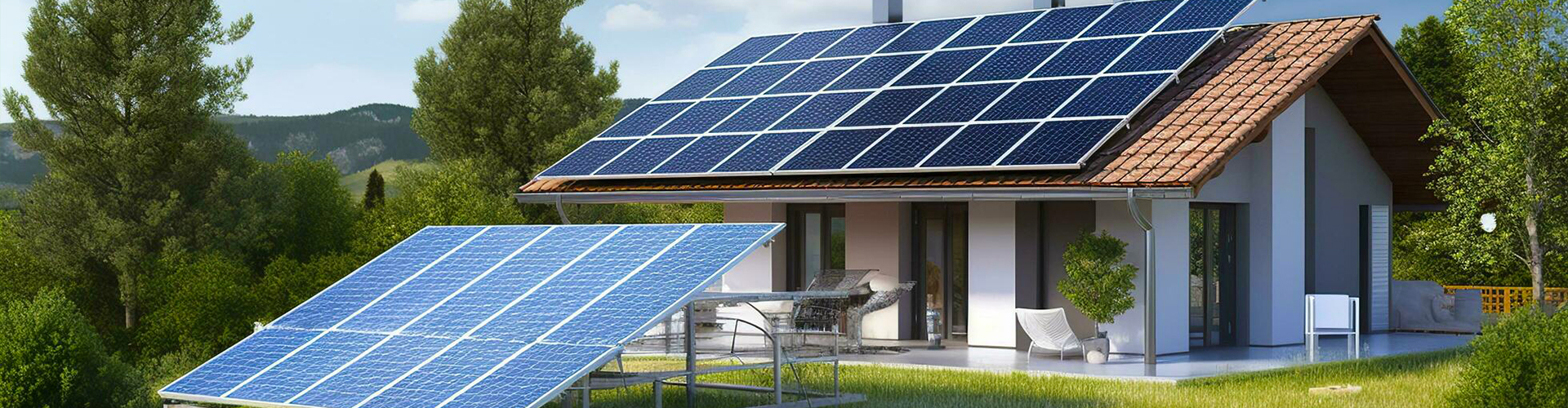
2.2 MW rooftop solar array - high-efficiency monocrystalline modules across the mall's extensive roof, engineered around skylights, HVAC plant and fire access routes.
3.4 MWh lithium battery storage - LiFePO4 cabinets that carry critical and trading loads through outage windows.
Hybrid control architecture - seamless transition between solar, battery and grid, with the diesel generators retained purely as a last-resort layer.
The Numbers That Matter
Daily generation: ~10,560 kWh - covering the majority of daytime trading load.
Daily savings: roughly 16,896 CNY at local tariff and diesel prices - over 6 million CNY per year.
Generator running hours cut by 80-85% - fuel logistics, maintenance and noise all drop with them.
Payback period: 4-5 years, with 20+ years of panel service life remaining after payback.

Why Storage Was Not Optional
Solar alone would have reduced the bill, but load-shedding happens in the evening too. The 3.4 MWh battery is what turns the system from a cost-reduction tool into an operations-guarantee tool: when the grid drops, the mall's tills, refrigeration, lighting and escalators keep running without a flicker. For a landlord whose tenants' leases depend on trading continuity, that guarantee is worth more than the electricity savings themselves.
Lessons for Your Project
Start from the load study, not the catalogue. The 2.2 MW / 3.4 MWh split came from twelve months of consumption data, not from a template.
Design the roof around obstructions. Skylights and HVAC units cost usable area; a professional layout still achieved high density.
Size storage for operations, not for the whole building. Critical and trading loads, carried for the realistic outage length - that is the sizing target.
If you operate a mall, hotel, factory or cold-chain facility in a market with unreliable power, send your electricity bills and site drawings to Singfo Solar Energy Ltd. With more than 5 GW of overseas installed capacity and full in-house engineering, they will return a design, yield simulation and payback model for your specific site.