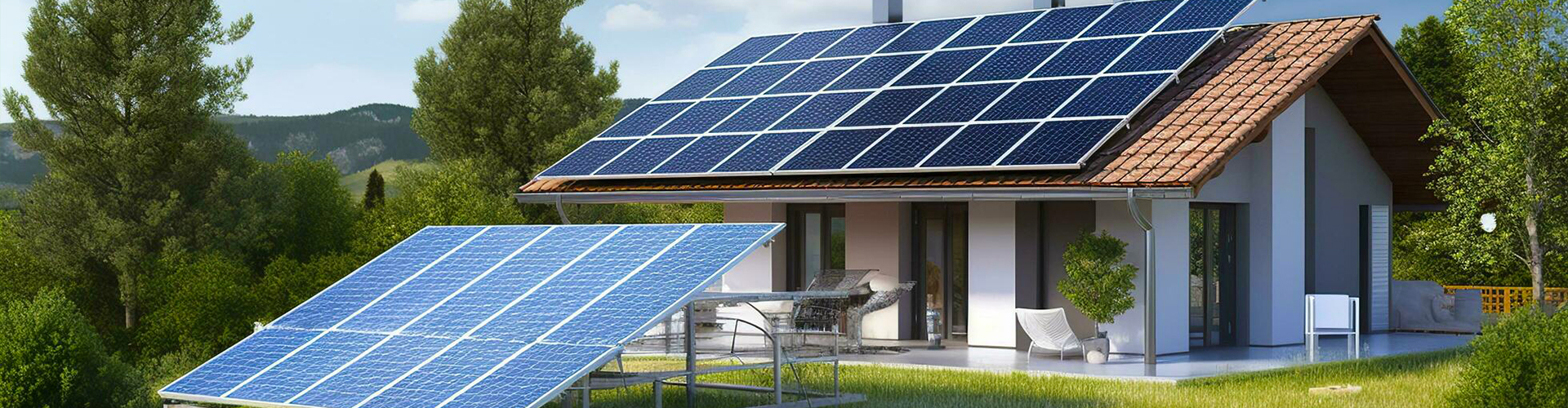
Hotels are, in electrical terms, small cities: air conditioning, kitchens, laundry, pools, lighting and elevators running around the clock. They also face a double energy bill - one from the utility, and one from the diesel generators parked behind the building. A properly designed solar + storage system attacks both at once.
Why Hotels Are Ideal Solar Candidates
Hotel occupancy peaks in daylight hours - exactly when solar panels produce at full power. Air conditioning, the single largest load in most hotels, tracks the sun almost perfectly: the hotter and brighter the day, the more the chillers run, and the more the panels generate. This natural alignment means very high self-consumption, which is where the real savings live.

The Hidden Cost: Peak Demand Charges
Many commercial tariffs charge not only per kWh but also per kW of peak demand in the month. A single moment of synchronised chiller start-up can set the peak that you pay for all month. This is where battery storage earns its keep:
Peak shaving: the battery discharges during the 30-minute windows when your load spikes, flattening the demand curve.
Time-of-use arbitrage: charge the battery from cheap midday solar, discharge during expensive evening hours when occupancy peaks.
Backup power: keep elevators, lighting, kitchens and front-desk systems alive during grid outages - quietly, without diesel fumes drifting toward guest rooms.
Diesel: The Backup That Costs More Than You Think
Diesel electricity typically costs 2-4 times more than grid power once you count fuel logistics, engine maintenance and degradation. In many markets, a hybrid system that runs solar by day, battery by evening and keeps the genset only as an emergency layer cuts the generator's annual running hours by 80-90%.

What the System Looks Like in Practice
A typical hotel project combines three building blocks:
Rooftop or carport PV array sized against daytime base load.
Lithium battery storage (LiFePO4 chemistry is the current standard) sized for 2-4 hours of critical load.
Hybrid inverters or a BESS cabinet that manages solar, battery, grid and generator automatically.
Sizing rule of thumb used by Singfo Solar engineers: cover 30-50% of daily kWh with solar, and size the battery to carry your critical load - not the whole hotel - through the longest realistic outage.
Guest Experience Is the Business Case
Outages in front of guests are reputational events, not just electrical ones. A storage-backed system switches fast enough that guests never notice the grid failed. And sustainability matters commercially: corporate clients and booking platforms increasingly score hotels on energy credentials, and a visible solar installation is the most legible proof of that commitment.
Getting Started
Send Singfo Solar Energy Ltd your monthly electricity bill, your diesel fuel consumption and your building drawings. With 5 GW+ of overseas installations and a full product line - panels, inverters, LiFePO4 batteries and C&I BESS - their engineers will return a system design with projected savings, payback period and a maintenance plan, usually within a few working days.